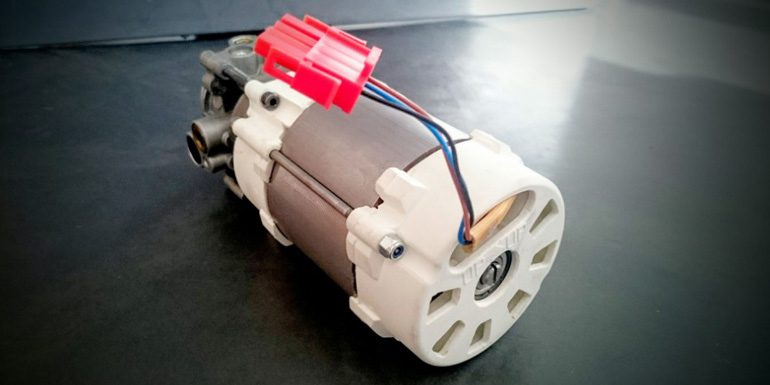
With the advent and subsequent refinement in the use of thermoset composites (ultra-high-performance plastics), decidedly advantageous results have been achieved in many cases over the more commonly used metal materials used to date, not only in terms of cost, but also performance. Companies that have embarked on the path of renewal, thanks in part to collaboration with Ansa Composites, achieve average savings of between 25 percent and 30 percent on the product made from thermoset composites.
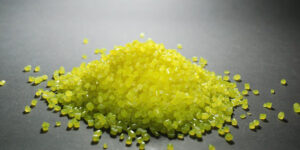
Thermoset composites, in the molding of which Ansa Composites Group is among the market leaders, are polyester, phenolic or epoxy resins, filled with fibers and inerts (thermally irreversible with amorphous structure and high cross-linking density), which are processed by injection and compression molding.
The characteristics and advantages in using thermoset composites are:
- Very high mechanical properties
- Dimensional stability/extremely low linear thermal expansion coefficient
- Thermal stability
- Heat resistance (once transformed, it does not melt or soften again)
- Resistance to chemical agents
- Does not oxidize
- Colorable during molding (no subsequent painting step required)
- Thermal, acoustic and electrical insulation
- Ability to become electrically conductive through the addition of mineral fillers
- Versatility of design and possibility of complex parts without the need for post-molding retakes
- Lightness (ease of transportation)
The whole industry can benefit from composite materials when performance and cost-effectiveness reasons must run hand in hand. The Ansa Composites Group would be happy to discuss the subject in more detail and, if necessary, evaluate together the actual possibility of initiating the replacement of metallic materials with thermoset composites.