Thermoplastic molds: characteristics of composites used

Thermoplastic mold composite materials, whether short fiber, continuous fiber or hybrid are receiving increasing attention in various industries because of their many advantages, especially in terms of stiffness and specific strength. The advantages in working with thermoplastic molds Thermoplastic molds allow the use of different types of fibers and materials. In the case of using… Continue reading Thermoplastic molds: characteristics of composites used

An innovative thermoplastic elastomer hybrid technology.

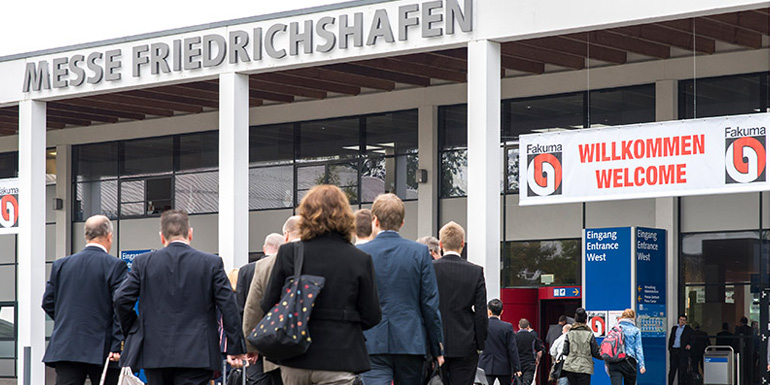
An innovative thermoplastic elastomer hybrid technology was unveiled at Fakuma 2018, the international trade fair for plastics processing. Innovation in thermoplastics The new series called TEH (Thermoplastic Elastomer Hybrids) holds specific properties superior to materials currently on the market and can be formulated according to different application needs and thus able to meet new market… Continue reading An innovative thermoplastic elastomer hybrid technology.

Molding of thermosetting polymers

Thermosetting polymers are special polymers that once produced cannot be remelted without undergoing complete and final chemical degradation. Thermoset materials are processed to arrive at a finished product in two stages: in the first stage polymer chains are created, while in the next stage of molding-which is represented by heating or a catalyzed chemical reaction-the… Continue reading Molding of thermosetting polymers

Successful plastic items

People who progress in life are those who go out of their way to find the circumstances they want and, if they do not find them, create them (George Bernard Shaw) The Ansa Composites Group has always been involved in the design and manufacture of plastic items for the consumer goods sector, i.e., a market… Continue reading Successful plastic items

The main differences between thermoplastics and thermosetting materials

Thermoplastics and thermosets can be divided according to the “behavior” they take on in relation to heat. Thermosetting materials: due to their processing by heat and pressure, they undergo changes that permanently change their nature. Once the object with the designed shape has been made-through molding machines-the material, when heated again, carbonizes, being unable to… Continue reading The main differences between thermoplastics and thermosetting materials

The main physical properties of plastics

The main physical properties of a thermoplastic and thermoset product are: Extreme solidity at room temperature Excellent electrical insulation Excellent thermal and acoustic insulation Portability and ease of use due to the light weight of the material Resistance to the action of time Weathering resistance Liquid and gas impermeability Excellent resistance of thermoplastic products to… Continue reading The main physical properties of plastics