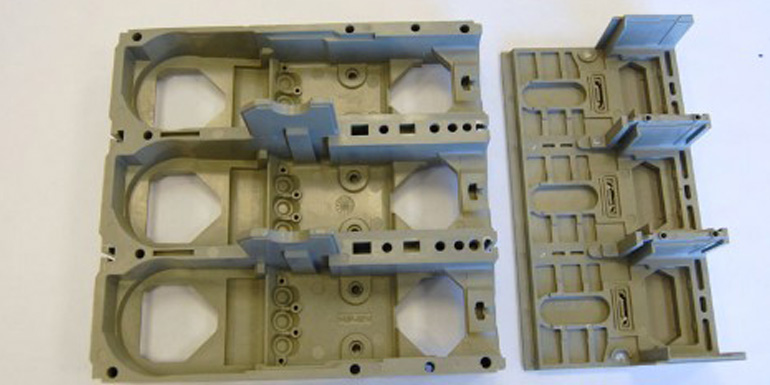
Pros and cons of thermosetting engineering plastics

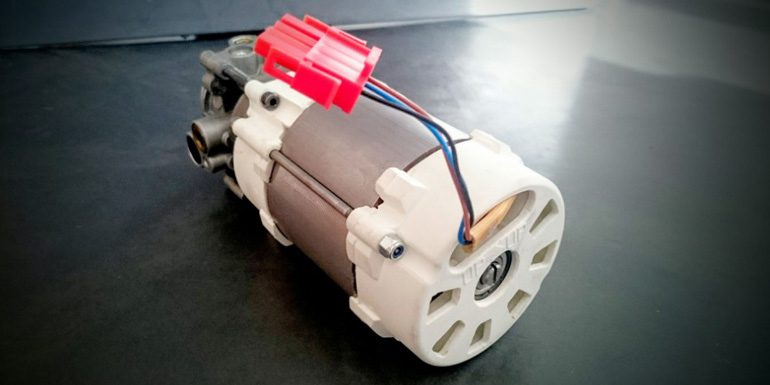
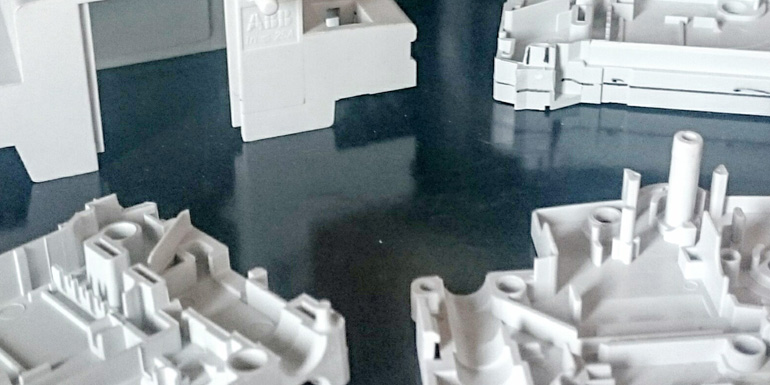
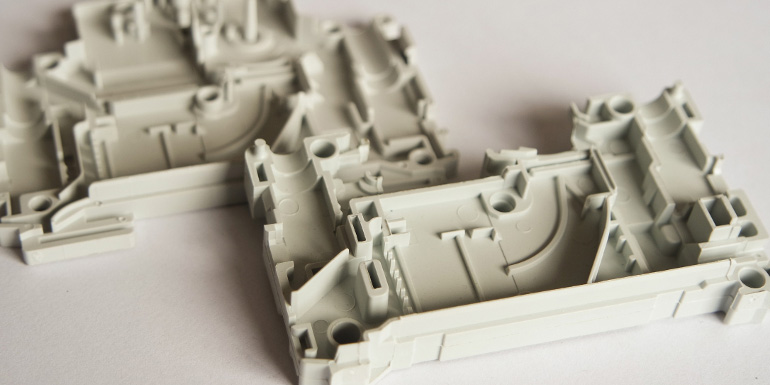
Thermosets are materials composed of polymers joined by chemical bonds. The product’s highly cross-linked structure is directly responsible for its high mechanical and physical strength (ability to withstand high stresses, loads, and temperatures) compared to more common thermoplastic polymers or elastomeric materials. Strengths: – More resistant to high temperatures in comparison with thermoplastics – Highly… Continue reading Pros and cons of thermosetting engineering plastics

Glossary of plastics

ABS (acrylonitrile butadiene styrene) Thermoplastic copolymer obtained by polymerization of acrylonitrile, styrene, butadiene. Back pressure Pressure that is applied to the rear end of the screw and causes it to slow down its backward movement as molten material accumulates in the injection chamber due to the rotation of the screw. Cylinder Part of the injection… Continue reading Glossary of plastics

Plastics processing in Bulgaria

Just four years after opening its production facility in Bulgaria, the Ansa Composites Group sums up its first major achievements, proud of its work and confident of a future full of great opportunities. During the early years of the crisis that befell all the world’s advanced economies, the Ansa Composites Group decided to reshape its… Continue reading Plastics processing in Bulgaria

Replacing metal has become cost-effective – the competitive advantages of thermoset molding

With the advent and subsequent refinement in the use of thermoset composites (ultra-high-performance plastics), decidedly advantageous results have been achieved in many cases over the more commonly used metal materials used to date, not only in terms of cost, but also performance. Companies that have embarked on the path of renewal, thanks in part to… Continue reading Replacing metal has become cost-effective – the competitive advantages of thermoset molding

Overview of compression molding

Compression molding is a technology that is normally used for thermoset polymers: the process involves compressing the plastic material inside a heated mold footprint; the heat from the mold thus fluidizes the thermoset material and makes it possible to pressure and consequently make the “shape.” This technology makes it possible to produce parts of different… Continue reading Overview of compression molding

The main physical properties of plastics

The main physical properties of a thermoplastic and thermoset product are: Extreme solidity at room temperature Excellent electrical insulation Excellent thermal and acoustic insulation Portability and ease of use due to the light weight of the material Resistance to the action of time Weathering resistance Liquid and gas impermeability Excellent resistance of thermoplastic products to… Continue reading The main physical properties of plastics

Plastics-the first synthetic plastic in history

Back in 1909, Belgian-American chemist Leo Baekeland made a discovery for which he is still considered one of the most influential scientists in history: the discovery of Bakelite, the first thermosetting plastic material! Studying two petroleum derivatives, phenol and the formeldehyde, he invented a material that, when heated and subjected to pressure, could polymerize and… Continue reading Plastics-the first synthetic plastic in history